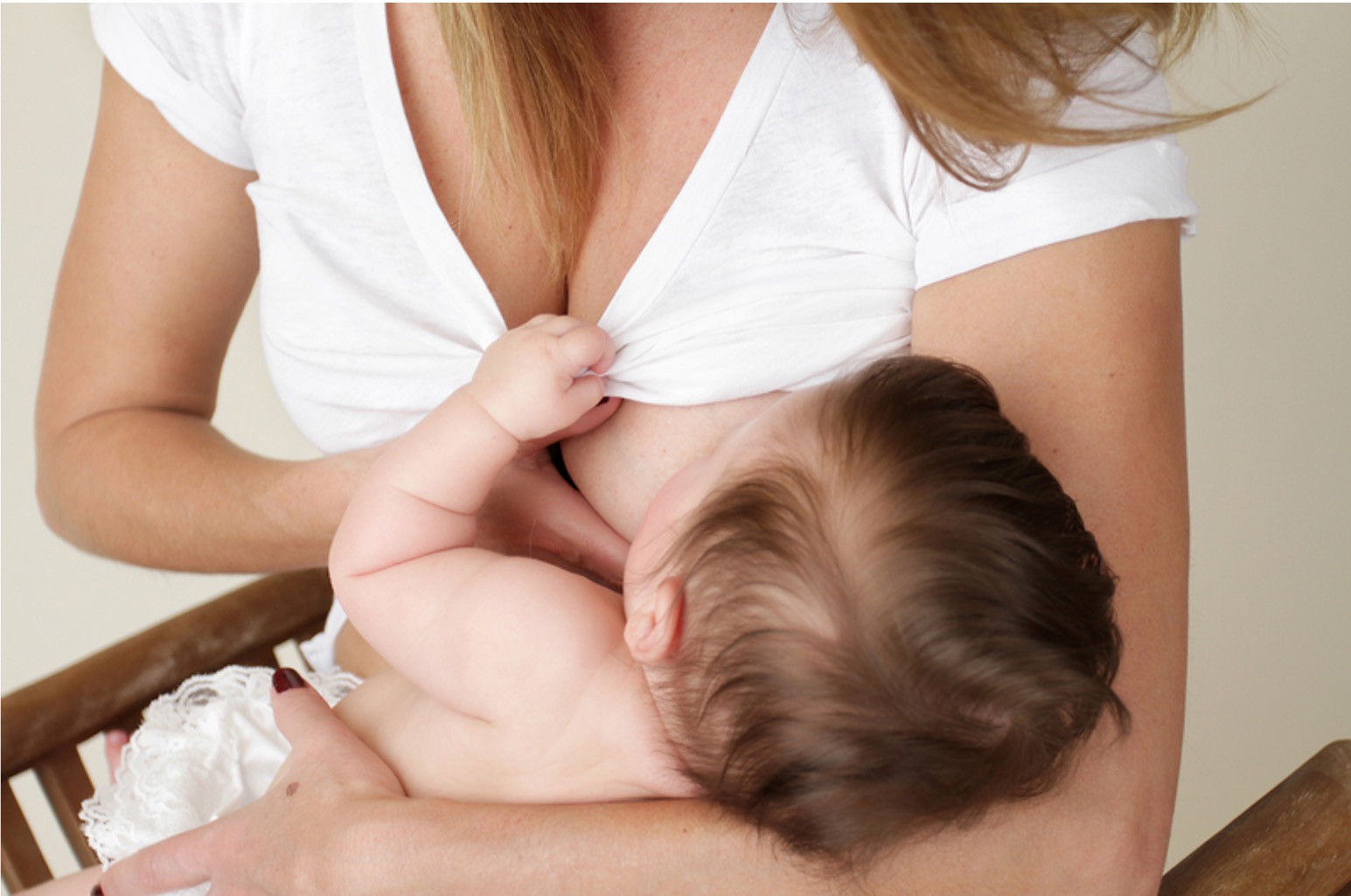
Is Your Baby Getting Enough Milk? A Lactation Consultant’s Checklist.
If you’ve ever wondered “Is my baby getting enough milk?” — you’re not alone.
In fact, worrying about milk supply is one of the most common reasons mothers stop breastfeeding earlier than they hoped. It’s understandable. After all, your breasts don’t come with measurement markers telling you how much milk your baby has had.
The good news? Your baby shows clear and reliable clues that they are feeding well.
So instead of letting doubts or well-meaning but undermining comments shake your confidence, here’s a practical checklist to help you believe in your boobs.
- You Can Hear Your Baby Swallowing
In the early days, your newborn may take 5–10 sucks before swallowing. This is because colostrum — your first milk — is thick and produced in small amounts, so your baby needs to work a little harder to extract it.
Once your milk “comes in” (usually between day two and six), your baby’s sucking stimulates your let-down reflex and milk flows more quickly.
During an effective feed you will hear:
- “Suck-swallow”
- “Suck-suck-swallow”
As the feed progresses, the rhythm usually slows into deeper sucking with regular swallows.
If your baby sucks many times before swallowing or makes clicking noises, it may indicate a latch or oral function issue. A lactation consultant can observe a feed and help optimise attachment.
- Watch Your Baby’s Chin and Ears
You can often see effective milk transfer just by watching your baby’s jaw.
During active sucking:
- The muscles in front of your baby’s ears wiggle as the jaw works.
- Your baby’s chin drops and pauses as they swallow a mouthful of milk.
Think about drinking through a straw — your chin drops when you swallow. Babies do something similar at the breast.
The longer the pause, the bigger the mouthful.
An efficiently feeding baby may actually finish quite quickly, so it’s better to follow your baby’s sucking and swallowing rather than the clock.
- Your Baby Seems Alert and Content
A baby who is getting enough milk usually looks:
- Bright and alert
- Has clear skin and moist eyes
- Appears generally satisfied after feeds
Many babies drift off the breast looking “milk drunk”, sometimes with a little milk dribbling from their mouth.
However, seek support if your baby:
- Is very lethargic or sleepy at the breast
- Seems constantly unsettled
- Wants to feed non-stop around the clock
(Cluster feeding, especially in the evenings, is normal — but it shouldn’t be constant all day.)
- Check the Nappies
What goes in must come out — nappies are one of the best indicators of milk intake.
Wet nappies
You can expect roughly:
- Day 1: 1 wet nappy
- Day 2: 2 wet nappies
- Day 3: 3 wet nappies
- Day 4: 4 wet nappies
- Day 5+: 5+ wet nappies
After the first week, a fully breastfed baby should have at least:
- 6 very wet cloth nappies, or
- 5 heavy disposable nappies per day
If your baby has dark, concentrated urine or very few wet nappies, feed more frequently and consult a health professional
Dirty nappies
Your newborn’s first poos will be black, sticky meconium.
As milk intake increases, stools change colour:
Black → greenish brown → mustard yellow (usually by day 4).
For the first six weeks, most breastfed babies pass at least two soft yellow poos daily, roughly the size of their palm.
After six weeks, some babies continue frequent poos while others may go several days between bowel motions — both can be normal if baby is otherwise thriving and stools remain soft.
- Your Baby Is Gaining Weight
Like adults, babies come in all shapes and sizes.
Growth charts simply show how your baby compares with other babies the same age — they are not a scorecard for parenting.
For example:
- A baby on the 50th percentile simply means half of babies weigh more and half weigh less.
More important than the exact percentile is steady growth over time.
Early weight loss
According to the Australian Breastfeeding Association, babies may lose 5–10% of birth weight in the first week but usually regain it by 2–3 weeks.
Loss greater than 10% may require further assessment. However, if you had IV fluids during labour/before birth, this can ‘plump up’ your baby, so weight loss during the first few days may be due to your baby peeing out this excess fluid, rather than a feeding issue.
Typical weight gain
The National Health and Medical Research Council suggests average gains of:
- 150 g per week from birth to 3 months
- 100–150 g per week from 3–6 months
- 70–90 g per week from 6–12 months
Weekly weights can fluctuate, so it’s more helpful to look at growth over several weeks.
It’s also important to remember that genetics plays a role, sometimes babies are simply following their family growth pattern. I have often joked, ‘you don’t get rats from mice’, so it can be helpful to ask your mum and mother-in-law if they still have your baby books with your baby weight records.
Trust Your Baby — and Yourself
Breastfeeding can feel uncertain at times, especially when you can’t see how much milk your baby drinks.
But when you look at the whole picture — swallowing, nappies, alertness and growth — your baby will usually tell you everything you need to know.
If you are concerned about your baby’s size, whether your baby is large or small, it would be helpful to check out the World Health Organisation Growth standards as these are based on breastfed babies as the ‘norm’.
And if something doesn’t feel right, getting help early from a lactation consultant can make a huge difference.
Want gentle ways to boost your milk supply?
Download my free guide:


About author