

Accidental Parenting? The Real Chemistry Behind Responding to Your Baby
You may have heard the term “accidental parenting”—a phrase that suggests you’ve somehow created (or will create) sleep problems by comforting your baby, holding them to sleep, or not following a strict schedule. As if loving your baby the way your heart tells you to is some kind of mistake.
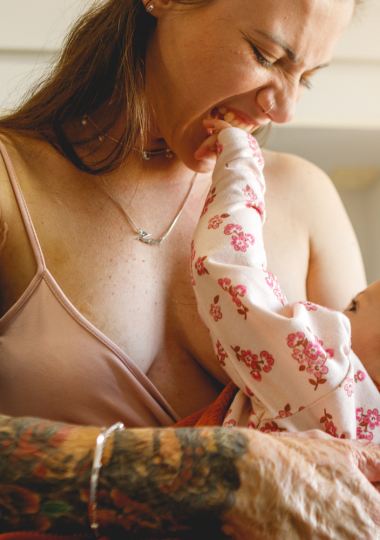
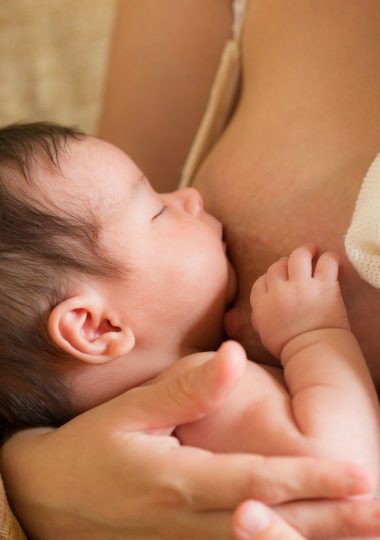
But here’s the truth: there is nothing accidental about the way you melt when your baby softens into your arms… the way those heavy eyelids flutter open just long enough to meet your gaze… or the way a tiny milk-drunk smile appears before your baby drifts back to sleep, lashes resting on rosy cheeks. And there is certainly nothing weak or indulgent about responding to your baby’s cries.
What you’re experiencing is biology at its best: the chemistry of attachment.
The Love Cocktail Designed by Nature
Long before your baby arrives, your body is preparing you both to fall deeply, instinctively in love.
In the final trimester, your pituitary gland shifts into overdrive, doubling in size to create a hormonal cocktail designed to prime your brain for bonding. This “mummy margarita” doesn’t just fade after birth—the effects linger for up to six months, meaning your emotional world is still being guided by surging and settling hormones well into your baby’s early life.
Researchers have named this powerful shift maternal preoccupation or the motherhood mindset. It’s a beautifully intuitive state that helps you tune into your baby’s needs with almost magnetic pull—but it can clash dramatically with our modern, efficiency-driven lifestyles.
Before baby, you may have excelled at logic, order, and routine… and now, suddenly, you can’t even remember what day it is. Control? Gone. Predictability? Nope.
This is why the neat, routine-based baby sleep book you read during pregnancy seemed sensible at the time—but now, with a real baby in your arms, feels completely impossible (and can leave you feeling like you’re doing something wrong).
Logic vs. Instinct: Why ignoring your baby hurts YOU!
When you understand this deep hormonal rewiring, the conflict becomes clearer:
the “logic” of sleep-training advice often collides head-on with your biological urge to respond to your baby.
Two of the biggest hormone players in this bonding dance are:
- Prolactin –the “mothering hormone,” which promotes milk production and creates a calming, responsive state.
- Oxytocin –the famous “love hormone,” released through touch, closeness, eye contact, and especially skin-to-skin.
Oxytocin heightens our sensitivity to non-verbal cues and fuels that overwhelming feeling of love and protectiveness. When prolactin levels are high—as they are in breastfeeding mothers—oxytocin’s effects are directed powerfully toward the baby.
Breastfeeding is a major oxytocin booster for both mother and baby, but bottle-feeding parents can absolutely enjoy this same hormonal bonding. Holding your baby close, skin-to-skin, eye-to-eye, and supporting feeds in your arms gives the same nurturing rush of connection.
Fathers and Partners: You’re wired for bonding too
It’s not just mothers who experience this hormonal love storm. Fathers and partners also undergo hormonal changes that prepare them for bonding.
As a partner spends time close to the pregnant mother—and later with the baby—their own prolactin and oxytocin levels rise. The more they cuddle, hold, and interact with their baby, the stronger this hormonal cycle becomes. Nature doesn’t play favourites; it simply responds to closeness.
This means that whether you’re a dad, a same-sex parent, or an adoptive parent, your biology supports bonding through the magic of touch, eye contact, scent, and responsiveness.
You’re Not “Making a Rod for Your Back”—You’re following biology
The stronger your bond, the harder it will be to ignore your baby’s signals—and that’s exactly how nature designed it. You’re not creating bad habits. You’re creating security. You’re not spoiling your baby. You’re supporting their developing brain. You’re not parenting “accidentally.”
You’re Parenting by Heart—and your heart and your intuition are beautifully, powerfully right.
If you’re feeling torn between conflicting advice, worried about “bad habits,” or longing for gentle ways to support your baby’s sleep, you might find comfort in Sleeping Like a Baby and Parenting by Heart, where you’ll discover nurturing, responsive approaches rooted in biology—not fear.


About author




Add comment